Bee Balm 'Jacob Cline'
1 Gallon
$30.99
Skip to product information

Full growing guide

Perennial · Zones 4–9
Monarda didyma
Bee Balm 'Jacob Cline'
$30.99
The short version
A perennial for full sun or part sun.
Native variety. Bees can get in.
Zones 4–9Full sun · Part sunModerate waterNot pet-safe
Stock
In stockTracking the day it leavesPromise
Arrives aliveOr we replace it. How
Spacing and size
2 ft apart, with good airflow.
Restocks and new drops, in the Shop app.
The story
Red flags for hummingbirds.
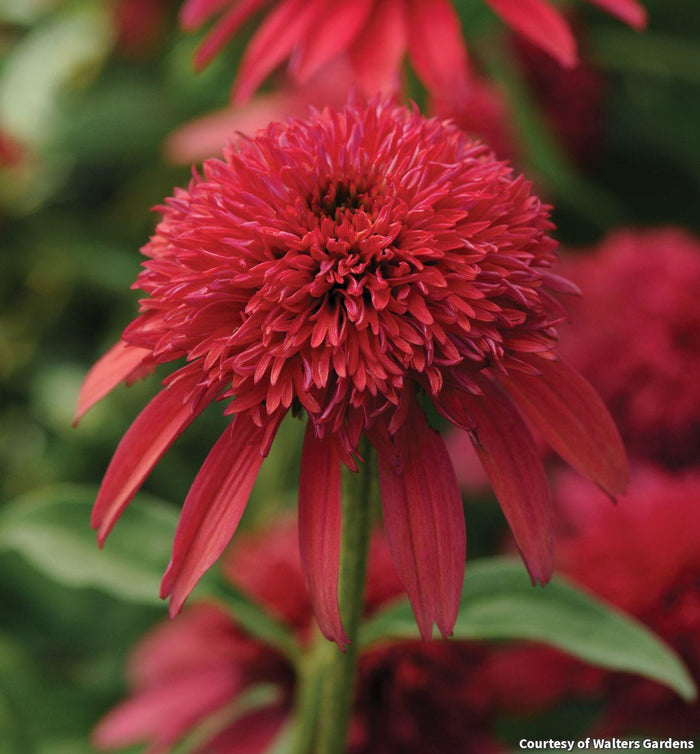
Shaggy heads of true scarlet flowers on tall stems in midsummer, with aromatic, minty leaves. Hummingbirds find it within days.
Light
Full sun to light part shade.
Water
Keep it evenly moist; drought stress invites mildew.
Planting
Plant in spring or early fall at soil level.
Big native red flowers with better mildew resistance than most red bee balms.
The facts
Size3–4 ft tall, 18–24 in. wideShowMidsummerLightFull sun, Part sunZones4–9WaterAverageGood forNative variety, Deer-resistantPetsNot pet-safe; keep out of reach
Who it feeds
Bred from a native. USDA records the parent species growing wild in your state, inside its native range. USDA PLANTS
- Caterpillars About 10 kinds of native butterflies and moths raise their caterpillars on Monarda, going by the median county in a nationwide study. Caterpillars are what songbirds feed their chicks. Source
- Specialist bees 3 bee species in the eastern U.S. gather pollen from only a few plant groups, and Monarda is one of them. Source
- Hummingbirds It's on published hummingbird plant lists. Plant it where you can watch. Source
Plays well with
Complete the planting.


Keep browsing